A Persian cat asks for less of your space than almost any other pet, and more of your routine than most people expect. It will not climb your curtains, wake you at four in the morning, or need a walk. It will need ten minutes of combing every single day for the next fifteen years, and it will quietly stop eating if your house is too loud.
That trade — a calm, ornamental, deeply affectionate cat in exchange for a daily grooming habit and a quiet home — is the whole breed in a sentence. This guide covers the Persian's history, the difference between doll face and punch face, what the flat face actually costs the cat in health terms, how the breed copes with Indian heat, realistic monthly costs, and who should not buy one.
Persian cat at a glance
| Lifespan | 12–17 years |
| Weight | 3.5–5.5 kg |
| Coat | Long double coat, up to 10 cm |
| Grooming | Daily, non-negotiable |
| Energy | Low. Genuinely low. |
| Vocalness | Among the quietest of all breeds |
| Living | Indoor only |
| Typical price in India | ₹15,700 (doll face) to ₹19,500 (punch face) |
Four hundred years in Europe, and much longer before that
The Persian is one of the oldest recognised cat breeds in the West, and it arrived by trade route rather than by design. Long-haired cats from the Persian province — modern-day Iran — and neighbouring Anatolia were carried into Europe by merchants and travellers in the seventeenth century. The Italian traveller Pietro della Valle is generally credited with bringing the first documented Persians west, around 1620.
They became a status animal almost immediately. When the world's first organised cat show was staged at the Crystal Palace in London in 1871, Persians were among the headline exhibits, and the breed has barely left the top of popularity rankings since. If you want a sense of how thoroughly the Persian embedded itself in the cultural imagination, the most famous cat in cinema — the white cat on the Bond villain's lap — is a chinchilla Persian.
What changed over the twentieth century was the face. Selective breeding for a rounder head and shorter nose produced the flat-faced show Persian most people now picture. That single aesthetic decision is responsible for most of what a modern Persian owner has to manage.
Doll face or punch face: the decision that matters most
Before price, colour or gender, decide which type of Persian you want. Indian breeders usually list them separately, and the difference is not cosmetic.
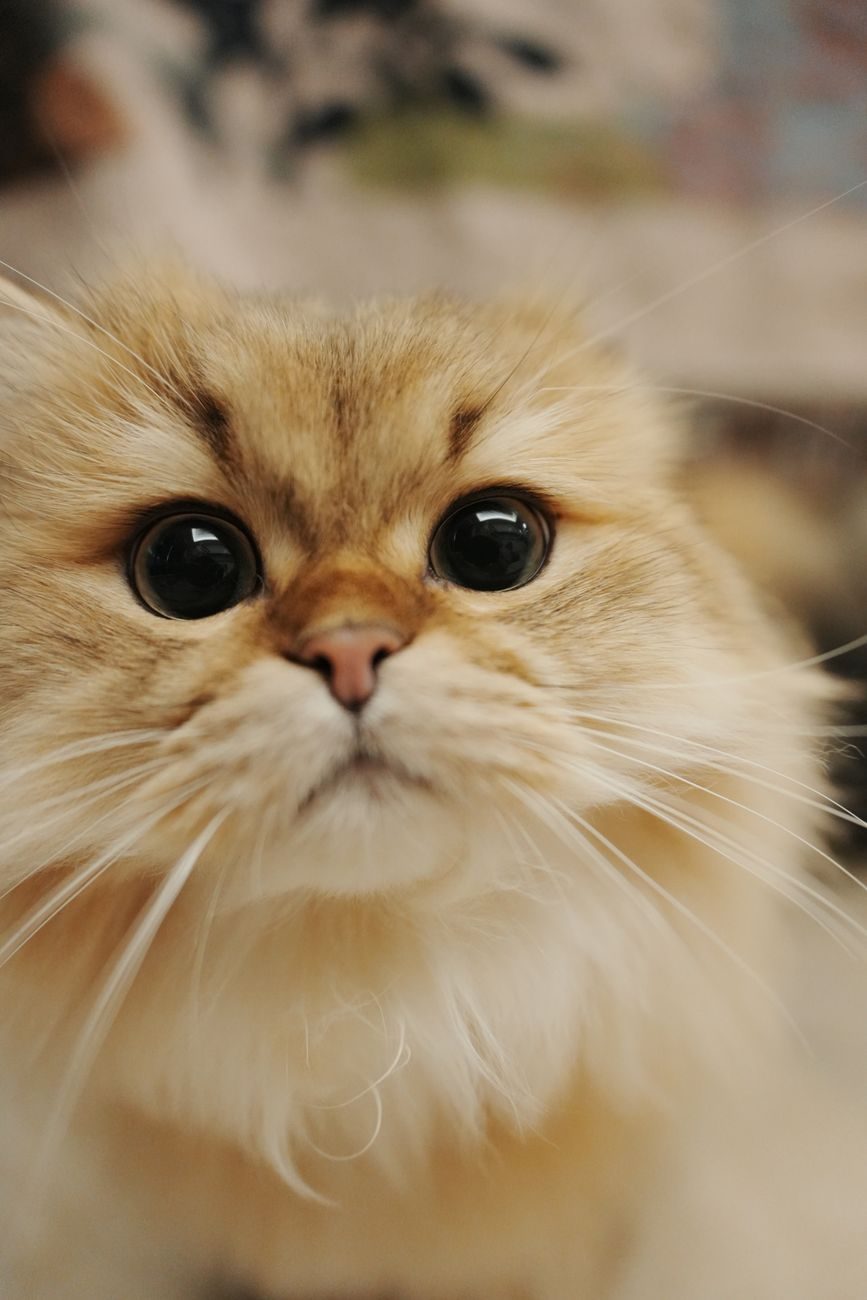
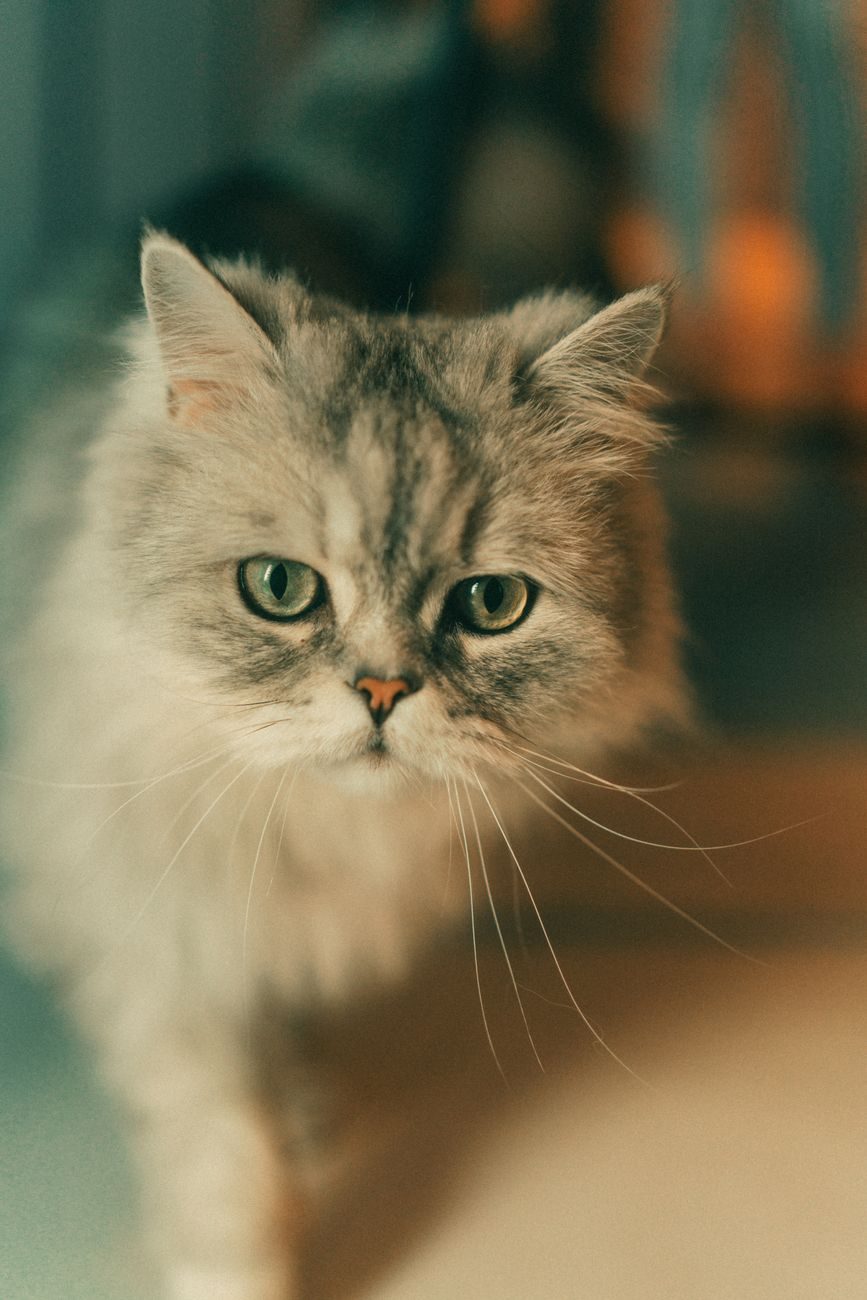
Doll face, also called traditional, keeps a longer muzzle closer to the breed's original shape. The nose sits below the eyes rather than level with them. These cats breathe more easily, produce noticeably less tear overflow, and generally have fewer dental problems. At Nearby Pets India a doll-face Persian kitten runs around ₹15,700.
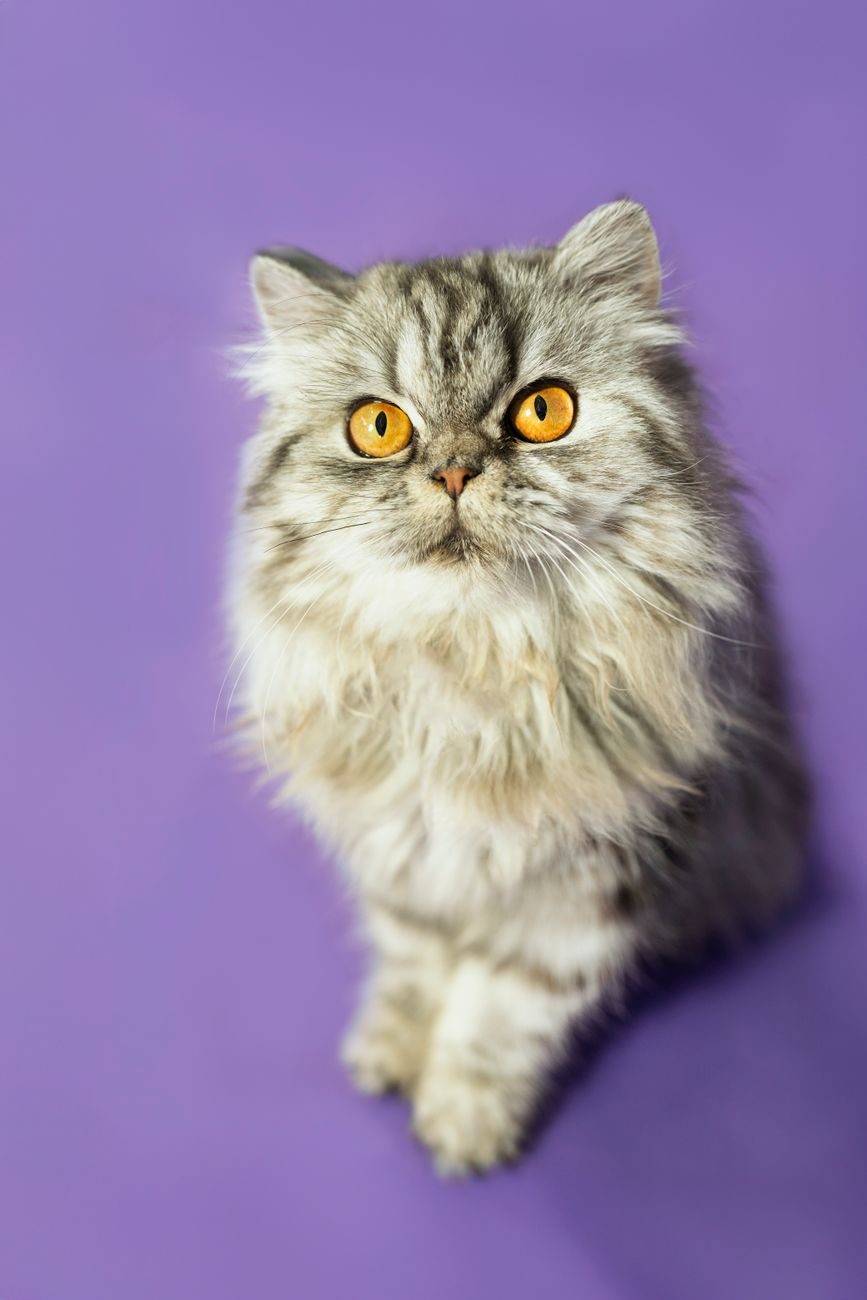
Punch face, also called peke face or extreme, is the flatter modern show type, with the nose leather set high between the eyes. It is the look most people mean when they say "Persian", and it is priced higher — around ₹19,500 — because it is what the show ring rewards.
If this is your first Persian, the doll face is the easier cat. You get the same temperament, the same magnificent coat and the same affection, with meaningfully less eye care, less breathing noise and fewer dental complications over the cat's life. The flatter face is a preference, not an upgrade.
Temperament: furniture that purrs
Persians are placid to a degree that surprises people whose only reference is a street cat or a Bengal. They do not climb curtains, rarely knock things off shelves, and are not natural escape artists. A Persian's idea of an excellent day is a sunny patch, a soft surface and the person it likes best somewhere in sight.
They are affectionate without being demanding. A Persian is unlikely to yowl for attention or headbutt your laptop shut. It will come and sit near you, wait, and communicate mostly with its eyes — this is one of the least vocal breeds there is. Owners moving from a chatty breed often describe the silence as the biggest adjustment.
The corollary is that Persians are poor at coping with chaos. They do not become aggressive in a loud house; they withdraw. They pick one quiet room, stop coming out, and in bad cases stop eating — and a cat that stops eating for more than a couple of days is a genuine medical emergency, because feline hepatic lipidosis develops fast. In a home with young children, constant visitors or several boisterous pets, a Persian is often quietly miserable in a way that is easy to miss.
With gentle, older children they are excellent. They tolerate handling well and rarely scratch. The rule to teach is that the cat comes to you, not the other way round.
The coat: ten minutes a day, forever
This is the part of Persian ownership people underestimate, and it is the reason a lot of them end up shaved at a clinic.
A Persian carries a long double coat that can reach ten centimetres. It does not self-maintain. Left alone for even four or five days, it mats — and Persian mats do not sit on the surface, they tighten against the skin. A tight mat pulls constantly, hides moisture and infection underneath, and cannot be brushed out. At that point the only humane option is sedation and clipping.
The routine that prevents all of this is genuinely small:
- Comb daily with a wide-tooth steel comb, right down to the skin rather than over the top of the coat. Ten minutes is enough if you do not skip days.
- Prioritise the friction points — behind the ears, in the armpits, along the belly, around the britches and under the tail. These mat first and are the least pleasant to fix.
- Bathe every four to six weeks. Persians tolerate bathing far better than most cats if introduced young. Dry thoroughly — a damp double coat in Indian humidity invites fungal skin infection.
- Keep the rear clean. A long-coated cat with any looseness in its stool needs help. Many owners keep a short "sanitary trim" there permanently, and it makes life easier for everyone.
A "lion cut" in peak summer is a legitimate choice for a Persian, unlike for a double-coated dog — cats do not rely on their coat for sun protection in the same way, and many are visibly more comfortable. Have it done by a groomer experienced with cats, not improvised at home with scissors.
Eyes, breathing and the flat face
Shortening a cat's face compresses everything behind it. The tear ducts kink, so tears spill onto the face instead of draining. This is normal for the breed — it is managed, not cured.
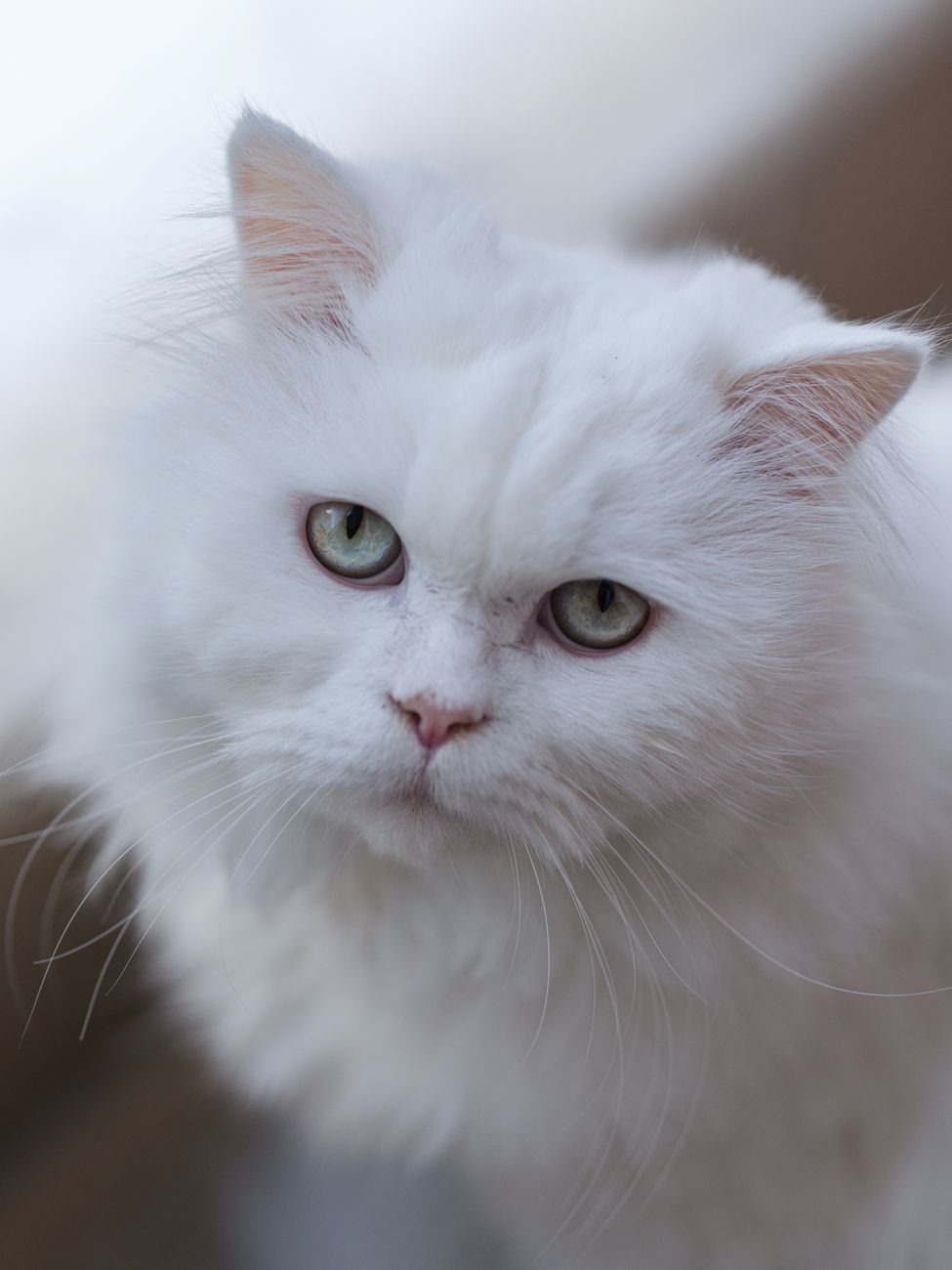
Wipe the eye corners each morning with a soft cloth dampened with plain water, then dry them. On white and cream cats the staining is cosmetic; the reason to keep at it is that constantly damp folds develop skin infections. What is not normal is thick, coloured or foul-smelling discharge, squinting, or a cat pawing at its eye. Those need a vet.
Breathing is the other consequence. Some snuffling and snoring is standard in flat-faced cats. Open-mouth breathing is not. A cat that breathes through its mouth is in respiratory distress and needs veterinary attention immediately — this is the single most important thing for a new Persian owner to know.
Dental crowding follows from the same anatomy. Teeth designed for a longer jaw get packed into a shorter one, which traps food and accelerates periodontal disease. Brush if the cat will allow it, and expect professional dental cleaning to be a recurring cost over the cat's life.
Persians in the Indian climate
Persians handle Indian heat less well than most cats, for two compounding reasons: a heavy coat, and a shortened airway that makes panting inefficient. Cats do not cool themselves well by panting at the best of times, and a brachycephalic cat does it worse.
Keep them indoors, keep air moving, and give them a cool tiled floor to lie on. Through the hottest months a fan is a minimum and cooling is better. Watch for open-mouth breathing, lethargy and drooling, and treat any of them as urgent.
The monsoon brings the opposite problem. Persistent humidity in a dense coat encourages fungal skin infection and ear yeast. Dry the cat properly after any bath, comb more often rather than less through the wet months, and check the skin under the coat when you groom — you will find a problem there weeks before it becomes visible from the outside.
Health: what to ask before you pay
Persians are long-lived cats with a small set of well-documented inherited conditions. The most important one is screenable, and a responsible breeder will have done it.
- Polycystic kidney disease (PKD). An inherited condition historically widespread in the breed, in which fluid-filled cysts gradually replace functioning kidney tissue. A DNA test exists. Ask specifically whether the parents were tested and ask to see the result — this is the single most valuable question you can put to a Persian breeder.
- Brachycephalic airway issues. Ranges from mild snuffling to genuine difficulty breathing, and tracks closely with how flat the face is.
- Progressive retinal atrophy. Inherited degenerative eye disease; a DNA test is available.
- Hypertrophic cardiomyopathy. The commonest feline heart disease, seen in Persians among many breeds. Detectable on echocardiogram.
- Dental disease and eye infections. Not hereditary as such, but so predictable in this breed that they should be budgeted for rather than treated as bad luck.
On the routine side: core vaccination and boosters, regular deworming, year-round flea control, and neutering at the age your vet advises. Indoor life removes most infectious risk, which is a large part of why indoor Persians reach the top of their lifespan range.
Feeding a low-energy cat
A Persian's low activity level and enthusiasm for food make weight gain easy. An overweight Persian cannot groom its own rear properly, which compounds directly into the coat problems above.
Feed a quality complete cat food in measured meals rather than leaving a bowl down all day. Wet food helps — cats are poor drinkers, and Persians are prone to urinary issues, so moisture in the diet is genuinely useful. Fresh water should be available in more than one place; many cats drink more from a wide, shallow bowl than a deep one, because their whiskers do not touch the sides.
Flat-faced cats often struggle to pick up food from a flat surface. A shallow, raised, wide bowl makes a visible difference. And do not give cow's milk — most adult cats are lactose intolerant, and this is one of the most common well-meant mistakes in Indian homes.
The first month with a Persian kitten
The way the first four weeks go shapes the next fifteen years, and most of it is about restraint rather than effort.
Start the kitten in one quiet room with its litter tray, food, water and a hiding place, rather than giving it the run of the house. Cats orient by smell, and a whole flat at once is overwhelming. Open the door to the rest of the house after three or four days, and let the kitten decide when to walk through it.
Begin grooming immediately, before there is anything to groom. A twelve-week-old kitten has a short coat and no mats, so the daily comb is a two-minute game rather than a struggle. A cat that learns combing at twelve weeks accepts it for life; one that meets a comb at eight months, with mats already forming, will fight it for years. The same applies to nail trims, eye wiping and being picked up.
Register with a vet in the first week and complete the vaccination schedule on time. Watch appetite closely — a kitten that refuses food for more than a day needs to be seen, not waited out.
What a Persian costs in India
A vet-checked, vaccinated Persian kitten from a verified breeder runs from about ₹15,700 for a doll face and around ₹19,500 for a punch face. Kittens advertised at a few thousand rupees are almost always unvaccinated, separated from the mother far too early, and frequently not screened for PKD at all.
| Quality food (wet and dry) | ₹1,800 – ₹3,000 |
| Litter | ₹600 – ₹1,200 |
| Grooming and preventatives | ₹700 – ₹1,500 |
| Realistic monthly total | ₹3,100 – ₹5,700 |
Budget separately for periodic professional grooming and for dental work, which for this breed is a question of when rather than whether.
Who should not get a Persian
- Anyone who will not comb a cat every day. This is the whole deal, and skipping it hurts the animal.
- Loud, crowded or high-traffic households. Persians withdraw rather than adapt.
- Homes with very young children who cannot yet be taught to let a cat approach on its own terms.
- Anyone wanting a playful, interactive, athletic cat. Consider a Bengal or a Siamese instead — you will both be happier.
- Anyone who wants an indoor-outdoor cat. A Persian outdoors is a Persian at risk.
- Homes with no cooling at all in the hottest parts of the country through peak summer.
Buying one safely
- See the mother. Her coat condition and temperament tell you what the breeder's care is actually like.
- Ask directly about PKD testing, and ask to see the certificate rather than take a verbal assurance.
- Refuse a kitten under twelve weeks. Cats separated earlier are more prone to lifelong anxiety and litter-training problems.
- Look at the eyes and nose on the day. Crusting, sneezing or a cloudy eye in a kitten is a reason to pause, not to hurry.
- Check that the coat is clean and mat-free. A matted kitten has not been groomed, which tells you how it has been kept.
Set the house up before the kitten arrives: a litter tray away from the food, a quiet room to decompress in for the first few days, scratching posts, and somewhere high to retreat to. Persians settle faster when they are allowed to do it slowly.
So, is a Persian right for you?
If you want a calm, quiet, affectionate cat that suits apartment living and is content to be part of the furniture — and you will genuinely pick up a comb every day — the Persian is one of the most rewarding cats you can live with. Fifteen years of a warm, undemanding animal that chooses your lap over anywhere else in the house is not a small thing.
If the daily grooming sounds like something you will get to eventually, choose a different breed. That is the honest answer, and it is better heard now.
At Nearby Pets India every Persian kitten comes from a verified, background-checked breeder and is vet-checked before dispatch, with age-appropriate vaccinations completed. Ask us about doll face versus punch face before you decide — it is the question that matters most, and we will give you a straight answer.
Frequently asked questions
How much grooming does a Persian cat really need?
Daily. Not weekly. A Persian's coat is long and double-layered, and it mats against the skin within days if it is not combed out. Mats are painful, they hide skin infections, and once they are tight the only humane fix is a vet or groomer shaving them off. Ten minutes a day prevents all of it.
What is the difference between a doll face and a punch face Persian?
Doll face, sometimes called traditional, keeps a longer nose closer to the breed's original shape. Punch face, or peke face, is the flatter modern show type. The flatter the face, the more tear overflow, breathing noise and dental crowding you should expect. Doll-face Persians are generally the easier cats to live with, and are usually a little cheaper — around ₹15,700 against roughly ₹19,500.
Why do Persian cats have watery eyes?
Because the flat face shortens and kinks the tear ducts, so tears spill onto the face instead of draining. It is normal for the breed and needs managing rather than curing: wipe the eye corners with a soft damp cloth every morning. Sudden thick, coloured or smelly discharge is different, and needs a vet.
Can Persian cats handle Indian heat?
Less well than most cats. A flat face makes panting inefficient, so Persians overheat faster, and the heavy coat compounds it. Keep them indoors, provide shade and ventilation, and watch for open-mouth breathing, which in a cat is an emergency rather than a quirk.
Are Persian cats good with children?
With gentle, older children, yes. Persians are placid and rarely scratch. What they will not tolerate is chasing, grabbing or noise. A Persian in a loud, chaotic house does not become aggressive, it becomes withdrawn and stops eating, which is easy to miss.
Do Persian cats need to be indoor-only?
Yes. They are slow, poorly camouflaged, physically unsuited to fighting or fleeing, and their coat picks up every burr and parasite outside. Indian streets add traffic and territorial community cats. An indoor Persian with vertical space and play lives longer and better.
What health problems are Persians prone to?
Polycystic kidney disease is the important one, and it is inherited — a responsible breeder screens the parents for it. Beyond that, expect brachycephalic breathing issues, tear staining, dental crowding and occasionally progressive retinal atrophy. Ask for the parents' health records before you pay a deposit.
How long do Persian cats live?
Twelve to seventeen years, and often the upper end when they are kept indoors, kept lean and groomed properly. This is a long commitment for a cat, which is worth thinking through at the point of purchase rather than at year six.
Looking for a Persian kitten?
Browse vet-checked Persian kittens in doll face and punch face, from verified breeders, delivered across India.
See available kittens